

7 Best Roofing Materials That Stand Up to Canadian Winters (2025 Guide)
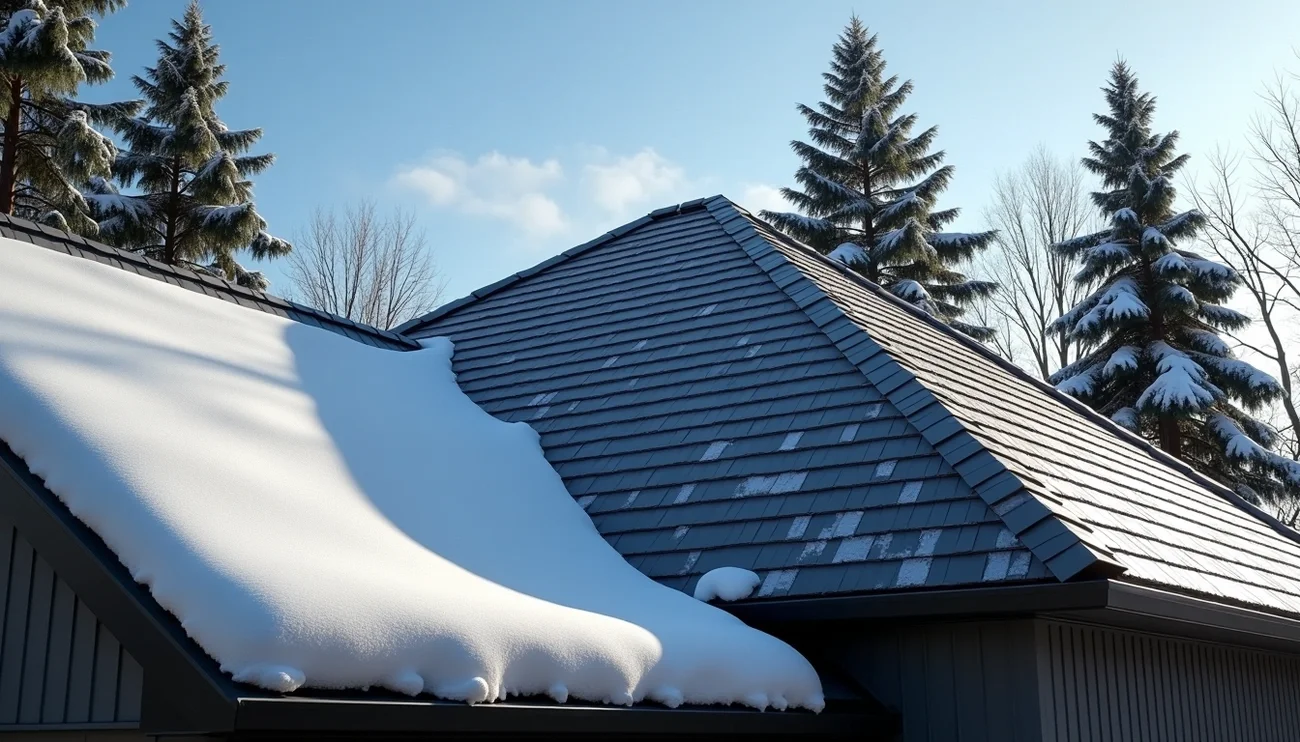
Canadian winters don't mess around. Your roof faces months of brutal cold, crushing snow loads, and endless freeze-thaw cycles that can destroy inferior materials within years. Choosing the right roofing materials for Canadian winters can extend your roof's lifespan by up to 30%—a decision that directly impacts both your home's protection and your wallet.
Here's what most homeowners don't realize: while standard asphalt shingles dominate Canadian rooftops and last 20–30 years, several superior alternatives can outlast them dramatically. Metal roofs, for instance, deliver 50+ years of reliable protection with proper maintenance—essentially 3–7 times longer than standard asphalt. Slate takes this even further, potentially lasting 75–150 years and serving as the final roof you'll ever install.
But durability alone doesn't tell the complete story. Energy efficiency becomes crucial during Canada's harsh winters—the right roof helps retain indoor warmth, slashes heating costs, and keeps your family comfortable when temperatures plummet. Metal roofing stops 95% of heat transfer while withstanding winds up to 140mph, making it particularly suited for Canada's extreme weather patterns.
The cost equation requires careful consideration beyond initial price tags. Yes, asphalt shingles offer the lowest upfront investment, but materials like concrete tiles provide exceptional durability against Canada's most brutal conditions. Roofing services across major Canadian cities range from $1,872 in Calgary to $3,259 in Hamilton, yet premium materials often pay for themselves through extended lifespans and reduced maintenance demands.
This guide examines seven proven roofing materials that excel in Canadian winters. We'll compare their durability, weather resistance, energy efficiency, and long-term value—so you can make the smartest choice for your home's protection.
Asphalt Shingles
Asphalt shingles dominate Canadian rooftops for good reason—they've protected homes through brutal winters for over a century. This popularity isn't accidental. These shingles deliver a smart balance of affordability, versatility, and solid performance when temperatures plummet.
Asphalt Shingles durability
Don't let their lightweight nature fool you. Quality asphalt shingles pack impressive resilience against Canadian winter punishment. Modern versions incorporate fiberglass mats that dramatically reduce cracking and curling when temperatures drop. Here's the catch: standard asphalt shingles become brittle and prone to breakage as freezing approaches.
Your best bet? Architectural (laminated) shingles outperform basic three-tab options every time. These thicker, multi-layered products offer superior structural integrity compared to single-layer alternatives. Smart roofers store shingles in heated areas above 10°C until installation to prevent cold-weather damage—a detail that separates professional installations from amateur attempts.
Asphalt Shingles weather resistance
That distinctive granular surface does more than look good. This texture helps prevent dangerous sheets of snow and ice from suddenly sliding off your roof—a safety feature that protects both property and people below. Modern shingles maintain their weather resistance through countless freeze-thaw cycles, which matters tremendously in Canadian climates.
For optimal winter protection, your asphalt shingle system needs:
- Self-adhering underlayment as ice dam protection in vulnerable areas
- Proper attic ventilation to prevent ice dam formation
- Enhanced installation methods in high-wind zones
Asphalt Shingles energy efficiency
Today's energy-efficient asphalt shingles include additional insulation layers that help retain indoor warmth. Many contemporary options feature reflective properties that reduce summer heat absorption, potentially cutting cooling costs.
Think of asphalt shingles as a layered defense system. The dense, waterproof base topped with ceramic-coated granules creates an effective barrier against heat transfer. Premium shingles with higher solar reflectance ratings improve energy efficiency year-round by managing seasonal temperature extremes more effectively.
Asphalt Shingles cost and lifespan
Basic three-tab asphalt shingles typically deliver 15–18 years of protection, while architectural styles extend this to 24–30 years. This lifespan variation directly reflects quality and price differences.
Cost-wise, asphalt shingles represent your most economical roofing choice upfront. Installation prices range from CAD 4.18 to CAD 6.97 per square foot. A complete replacement on a 1,500 square foot roof typically runs CAD 6,966.80 to CAD 11,146.88. Larger homes with 2,200 square feet of roofing see prices from CAD 11,146.88 to CAD 18,113.68, depending on material quality, labor requirements, and whether complete tear-off is necessary.
Asphalt Shingles pros and cons
Pros:
- Most affordable roofing material available
- Visually versatile with numerous styles and colors
- Straightforward installation requiring minimal specialized tools
- Individual shingles replaceable without full roof removal
Cons:
- More susceptible to wind damage than heavier materials
- Can crack during extreme temperature fluctuations
- Installation not recommended in below-freezing temperatures
- Shorter lifespan (15–30 years) versus premium materials
- Less distinctive appearance than slate or shake options
Asphalt Shingles best use cases
Asphalt shingles perform best on properly ventilated homes with adequate slope. They represent an excellent choice for budget-conscious homeowners seeking reliable performance without premium costs. These shingles work particularly well on sloped residential roofs across most Canadian climate zones.
They may not suit extremely low-pitched roofs or persistently shaded areas, where conditions accelerate algae growth and moisture-related deterioration. Homes in regions experiencing severe winter storms benefit from architectural shingles with enhanced wind ratings of 110–130 mph.
Metal Roofing
Ever wonder why more Canadian homeowners are switching to metal roofing systems? The answer lies in metal's exceptional ability to handle everything Canadian winters throw at it—from crushing snow loads to hurricane-force winds—while conventional materials struggle and fail.
Metal Roofing durability
Quality metal roofs deliver 40 to 70 years of reliable protection, easily outlasting conventional materials that crack and deteriorate under temperature stress. What sets metal apart is its structural integrity—while other materials become brittle when temperatures plummet, metal maintains its strength through endless freeze-thaw cycles.
The numbers speak for themselves: premium metal roofing withstands tornado-strength winds up to 241 km/h, making it invaluable during severe winter storms. More importantly, metal's inherent strength handles substantial snow loads without buckling—a critical advantage when your roof faces months of accumulated snow.
Metal Roofing weather resistance
The smooth metal surface creates a natural snow-shedding system—snow slides off rather than building up to dangerous levels. This self-clearing property eliminates the weight concerns that plague other roofing materials while reducing maintenance headaches.
Metal roofs also solve one of Canada's most persistent winter problems: ice dam formation. By distributing heat evenly across the surface and allowing rapid runoff, metal systems help prevent the ice accumulation that causes leaks and water damage in conventional roofing.
Metal Roofing energy efficiency
The energy savings alone can justify metal roofing investment. Properly installed systems reduce heating costs by 10–15% during harsh Canadian winters by reflecting heat back into your home instead of letting it escape.
Summer brings additional benefits—metal roofs with reflective coatings cut cooling costs by 20–40%. Combined, Canadian homeowners typically see 10–25% reductions in total annual energy bills after metal installation.
Metal Roofing cost and lifespan
Metal roofing requires a significant upfront investment: CAD 7,900 to CAD 24,174 for most homes, with premium copper options exceeding CAD 55,734. Expect CAD 11.15 to CAD 20.90 per square foot, translating to CAD 22,293 to CAD 41,800 for a typical 2,000 sq. ft. roof.
But here's the payoff: these systems last 50+ years, often outlasting multiple asphalt roof replacements. When you factor in reduced maintenance and energy savings, metal roofs typically pay for themselves within 7–10 years.
Metal Roofing pros and cons
Pros:
- Exceptional longevity (40–70 years)
- Superior snow-shedding capabilities
- Significant energy cost savings (10–25% annually)
- Excellent wind resistance (up to 241 km/h)
- Low maintenance requirements
- Recyclable and environmentally friendly
Cons:
- Higher initial investment than traditional materials
- Potential noise concerns during rain or hail without proper insulation
- Risk of sudden snow slides without snow guards
- Thermal expansion and contraction requiring proper installation
Metal Roofing best use cases
Metal roofing excels across Canada's diverse climate challenges. The material performs exceptionally in:
- Prairie provinces with extremely cold winters
- Coastal areas facing high winds and moisture exposure
- Locations with significant temperature fluctuations
- Areas where energy efficiency is a priority
For coastal locations near saltwater, aluminum systems outperform Galvalume options. Installing snow retention systems provides the best of both worlds—managing snow flow to prevent dangerous slides while preserving metal roofing's natural self-clearing advantages.
Slate Roofing
Slate roofing sits at the top of the premium materials hierarchy—and for good reason. This natural stone material offers something no other roofing option can match: the potential to be the last roof your home will ever need.
Slate Roofing durability
When properly installed and maintained, natural slate roofing can last 75–200 years. Many historic Canadian slate roofs installed in the early 1900s still protect homes today with remarkable effectiveness.
Slate forms as metamorphic rock under intense heat and pressure, creating an incredibly dense material that shrugs off decades of weather exposure. Quality slate products earn S-1 ratings under ASTM standards, which guarantees a minimum service life of 75 years.
Slate Roofing weather resistance
Canadian winters that destroy other roofing materials barely register with properly installed slate. The material's natural density and minimal water absorption rate prevent the freeze-thaw damage that regularly destroys conventional options.
The smooth surface provides an additional advantage—snow sheds more effectively than textured materials, preventing dangerous ice dam formation that commonly damages homes during extended cold periods.
Slate Roofing energy efficiency
Slate delivers impressive thermal performance throughout Canada's seasonal extremes. Its natural thermal mass properties help regulate indoor temperatures by absorbing heat during warmer periods and releasing it slowly as temperatures drop.
Slate Roofing cost and lifespan
Slate requires a significant upfront investment. Costs range from CAD 13.93 to CAD 41.80 per square foot for natural slate. A 1,500-square-foot home averages around CAD 41,800 for installation, with prices varying from roughly CAD 10,450 for synthetic alternatives to over CAD 62,000 for premium natural slate.
While standard asphalt shingles require replacement every 15–30 years, a quality slate roof can last over a century, potentially eliminating future roof replacements entirely.
Slate Roofing pros and cons
Pros:
- Extraordinary longevity (75–150+ years)
- Exceptional resistance to snow, ice, and freezing
- Fire-resistant and environmentally sustainable
- Superior thermal regulation properties
- Timeless esthetic that enhances property value
Cons:
- Substantial weight often requiring structural reinforcement
- High initial investment compared to conventional materials
- Limited availability of qualified installation specialists
- Challenging and expensive repairs if damaged
Slate Roofing best use cases
Slate performs exceptionally well for Canadian homeowners who think beyond short-term costs. It's particularly suitable for heritage homes, luxury properties, and homes where owners plan to stay for decades and want a true lifetime roof.
Concrete Roof Tiles
Concrete tiles might not grab headlines like metal or slate, but they deliver serious performance for Canadian homes. Often dismissed as a “middle option,” these engineered tiles actually outperform many premium materials while staying more affordable than natural stone alternatives.
Concrete Roof Tiles durability
Concrete tiles get stronger over time. This mixture of cement, sand, and water continues gaining structural integrity as it ages. Concrete tiles can handle winds exceeding 125 mph—forces that would tear most other roofing materials right off your home.
Concrete Roof Tiles weather resistance
Canadian freeze-thaw cycles destroy many roofing materials, but concrete tiles handle this challenge differently. Quality tiles resist moisture freezing within the tile body—a huge advantage when temperatures swing from -30°C to +10°C repeatedly.
Properly installed concrete tiles form an air pocket between the tile and roof decking, minimizing ice-damming issues that plague Canadian homes each winter.
Concrete Roof Tiles energy efficiency
The natural thermal mass of concrete absorbs heat during warmer periods and releases it slowly, creating more stable indoor temperatures regardless of external conditions. Tests show airflow beneath tiles combined with pitched roof design reduces heat transfer into the attic by up to 70% compared to conventional asphalt roofs.
Concrete Roof Tiles cost and lifespan
Concrete tiles hit the sweet spot between affordability and longevity. Installation costs range between CAD 9.75 and CAD 16.72 per square foot. Concrete tiles typically last 50–75 years depending on climate conditions—substantially longer than asphalt while costing less than slate.
Concrete Roof Tiles pros and cons
Pros:
- Extraordinary lifespan (50–75 years)
- Class A fire rating for improved home safety
- Resistance to extreme weather conditions
- Up to 70% reduction in heat transfer compared to asphalt
- Low maintenance requirements
- Environmentally sustainable and 100% recyclable
Cons:
- Substantial weight may require structural reinforcement
- Higher initial cost than asphalt shingles
- Underlayment typically requires replacement after ~20 years
- Potential for color fading over time
Concrete Roof Tiles best use cases
Concrete tiles work exceptionally well when you need premium performance without premium pricing—especially in regions with high winds, heavy snowfall, and large temperature swings.
Synthetic Roofing Materials
Synthetic roofing materials feature impressive durability ratings while combining the visual appeal of premium materials with practical advantages that natural options simply can't deliver.
Synthetic Roofing Materials durability
With Class 4 impact resistance and 110 mph wind resistance (up to 190 mph on premium options), synthetic roofing handles harsh Canadian conditions with ease.
Synthetic Roofing Materials weather resistance
Synthetic options resist water penetration completely, avoiding the freeze-thaw cracking that destroys many natural materials. They pair well with snow guards and retention systems to prevent dangerous snow slides.
Synthetic Roofing Materials energy efficiency
Most synthetic products provide excellent insulation, and many include reflective coatings that minimize heat absorption for year-round energy savings.
Synthetic Roofing Materials cost and lifespan
Installation costs range from CAD 5.57 to CAD 8.36 per square foot, with expected service life of 40–50 years and minimal maintenance. Many products carry 50-year limited warranties.
Synthetic Roofing Materials pros and cons
Pros:
- Lightweight—no structural reinforcement needed
- Excellent resistance to moisture and temperature swings
- Low maintenance
- Eco-friendly options using recycled materials
Cons:
- More expensive than basic asphalt shingles
- Typically shorter lifespan than natural slate
- Quality can vary by manufacturer
- Requires experienced installers
Synthetic Roofing Materials best use cases
Great when you want the look of slate or cedar without the cost, weight, or maintenance—especially in provinces with frequent freeze-thaw cycles and heavy snow.
Wood Shakes
Wood shakes bring undeniable rustic charm to Canadian homes. Made primarily from western red cedar, these hand-split materials create a textured, natural look that synthetic alternatives struggle to match.
Wood Shakes durability
Cedar contains natural oils that resist decay, rot, and insect damage. When properly installed, cedar shakes handle strong winds well and can even stiffen the roof deck.
Wood Shakes weather resistance
Canadian winters are hard on wood. Proper installation requires interlayment (18-inch felt strips between courses) and ice barriers at lower edges to prevent wind-driven snow and ice dam issues. Without that, cedar becomes highly susceptible to rot and mold in cold, wet conditions.
Wood Shakes energy efficiency
Cedar's cellular structure provides natural insulation. Homeowners often report up to 20% reductions in heating costs thanks to better temperature regulation.
Wood Shakes cost and lifespan
Cedar shakes cost CAD 11.15–15.00 per square foot installed versus CAD 4.18–7.00 for asphalt. With proper maintenance, they last 30–50 years, but require ongoing upkeep—often CAD 700–1,000 per year.
Wood Shakes pros and cons
Pros:
- Unmatched natural beauty
- Excellent natural insulation
- Good wind resistance when installed correctly
Cons:
- Susceptible to rot and mold in wet climates
- High maintenance costs
- Fire risk in wildfire-prone regions
Wood Shakes best use cases
Best in regions with clear wet/dry seasons rather than constant moisture. Works well on rustic and traditional designs where esthetics are a top priority and the owner is willing to maintain the roof.
Clay Tiles
Clay tiles bring centuries of proven performance to premium Canadian homes, offering timeless elegance and serious durability when properly specified and installed.
Clay Tiles durability
Clay tile roofs typically deliver 50–100 years of reliable performance with proper maintenance. Natural clay is fired at high temperatures, creating dense, hardened tiles that tolerate decades of environmental punishment.
Clay Tiles weather resistance
Quality clay tiles offer excellent protection against heavy rain, snow, and high winds. In regions with frequent freeze-thaw cycles, the right tile specification and underlayment are critical to prevent cracking from trapped moisture.
Clay Tiles energy efficiency
Clay tiles provide effective thermal regulation. They help retain heat in winter and reflect solar radiation in summer, contributing to lower energy bills across Canada’s seasonal extremes.
Clay Tiles cost and lifespan
Clay tiles are a premium investment: CAD 13.93–25.08 per square foot installed. But they routinely last 80–100 years with minimal maintenance, making them a serious long-term value play.
Clay Tiles pros and cons
Pros:
- Non-combustible and highly fire-resistant
- Environmentally sustainable and recyclable
- Low maintenance once installed
- Resistant to pests and decay
Cons:
- Very heavy—often requires structural reinforcement
- Fragile under direct impact or heavy foot traffic
- High installation cost and specialized labour
- Not suitable for very low-slope roofs
Clay Tiles best use cases
Ideal for well-engineered homes with strong structures and steeper roof pitches, especially where long-term value and architectural character matter more than lowest upfront cost.
Comparison of Roofing Materials for Canadian Winters
| Roofing Material | Typical Lifespan | Cost per sq ft (CAD) | Weather Resistance | Energy Efficiency | Key Advantages | Key Disadvantages |
|---|---|---|---|---|---|---|
| Asphalt Shingles | 15–30 years | $4.18–$6.97 | Granular texture helps manage snow; vulnerable to extreme cold | Newer versions offer insulation and reflective options | Most affordable; easy install; easy to repair | Shorter lifespan; wind damage; not ideal for very cold installs |
| Metal Roofing | 40–70 years | $11.15–$20.90 | Withstands winds up to 241 km/h; excellent snow shedding | 10–25% annual energy savings; highly reflective | Superior longevity; low maintenance; great in snow | Higher upfront cost; noise without insulation; needs snow guards |
| Slate Roofing | 75–200 years | $13.93–$41.80 | Outstanding freeze-thaw resistance; minimal water absorption | High thermal mass; good seasonal regulation | Longest lifespan; fire-resistant; premium esthetic | Very heavy; very expensive; few qualified installers |
| Concrete Tiles | 50–75 years | $9.75–$16.72 | Resists high winds; excellent freeze-thaw performance | Up to 70% reduction in heat transfer | Long life; fire-resistant; recyclable | Heavy; underlayment replacement; possible color fade |
| Synthetic Materials | 40–50 years | $5.57–$8.36 | Class 4 impact; 110–190 mph wind ratings | Good insulation; often reflective coatings | Lightweight; low maintenance; moisture resistant | More than asphalt; quality varies; needs good installer |
| Wood Shakes | 30–50 years | $11.15–$15.00 | Good wind resistance; requires extra winter detailing | Strong natural insulation; can cut heating costs | Unique natural look; good thermal performance | High maintenance; rot/mold risk; fire risk |
| Clay Tiles | 80–100 years | $13.93–$25.08 | Strong snow/rain protection; needs careful freeze-thaw design | Excellent thermal regulation and heat retention | Fire-resistant; durable; low maintenance | Very heavy; fragile to impact; expensive to install |
Conclusion
Protecting your home from Canadian winters starts with one crucial decision: choosing roofing materials that won't let you down when it matters most.
If budget is your main concern, asphalt shingles get the job done. If you’re planning to stay long-term, metal roofing and slate deliver superior value through lifespan and energy savings. For a balance between cost and performance, concrete tiles stand out. Wood shakes and clay tiles bring character but demand either more maintenance or stronger structure.
Whatever you choose, proper installation by experienced contractors who understand local Canadian conditions is non-negotiable. The best material installed badly will fail; a well-installed system matched to your climate will protect your home for decades.
FAQs
Q1. What roofing material is most suitable for Canadian winters?
Metal roofing is often considered the best choice for Canadian winters due to its durability, snow-shedding capability, and resistance to extreme cold, high winds, and heavy snow loads—while also providing strong energy efficiency.
Q2. How do asphalt shingles perform in cold climates?
Asphalt shingles are a popular and budget-friendly option. Quality architectural shingles perform well when properly installed with good underlayment and ventilation, but they generally need replacement more often than premium materials.
Q3. Are slate roofs a good choice for areas with heavy snowfall?
Yes. Slate roofs handle heavy snow and freeze-thaw cycles extremely well and can last over a century. The trade-off is higher cost, more weight, and the need for skilled installers.
Q4. How do concrete tiles compare in cold weather?
Concrete tiles perform very well in cold weather, offering durability, good freeze-thaw resistance, and strong insulation. They’re heavier than many alternatives, but they provide a solid middle ground between cost and performance.
Q5. What are the advantages of synthetic roofing materials for Canadian winters?
Synthetic roofing materials resist moisture and temperature swings, are lightweight, and can mimic premium looks like slate or cedar. They’re a strong choice where you want high performance and good esthetics without the weight or maintenance demands of natural materials.